About Brick Repairs - Cracks - Repointing
What are Brick Repairs ?
Brick repair is the remedy and a means of bringing damaged and worn-out bricks back to their original state and or back to their original condition. This is done with a wide range of masonry repair skills and knowledge such as restoring aged brick, repairing chipped brick, repairing or replacing frost-damaged brickwork, repairing eroded brick and mortar, and much more.
What Causes Brick Damage?
Brick damage is a very common occurrence that is likely to happen over time. The deterioration of brick occurs due to the cycle of freezing and thawing moisture inside the brick and mortar joints. Over time, since bricks are made of clay – a very porous material – they easily absorb water when they get wet. When temperatures drop in the winter, this water then freezes and as it freezes it expands. It also has a heating effect, especially in the weather of North Carolina where it could be in the 20s at night and back up in the 70s in the afternoon. The expanding water then pushes small pieces of brick out of its way, thus making the brick crumble and break off. In some cases, this even goes further and creates small cracks in the brick. As the weather warms back up in the summer in North Carolina, the water melts and runs out or dissipates out of the brick. This is called capillary action. This repeats yearly with the same cycles. The difference is that now the water can fill the small cracks which were created by the expanding water last time. This means the small cracks will get bigger and bigger each time this process repeats and eventually will lead to larger cracks or even worse deterioration.
Is Brick Repair Necessary?
Absolutely! Repairing damaged bricks and mortar issues is of utmost importance for several reasons.
It stops water and weather elements from damaging the brick and mortar further.
It stops internal damage behind the walls of your home affecting your main structure and creating leaks inside the home.
It stops internal damage to brick step systems that will have to be entirely rebuilt! Very costly
It is a must for capital improvements and reselling.
Picture brick repair as the beginning of a tooth cavity. Let it go and you need a root canal- let it go more and eventually it's gone, so catching it early is the best solution.
Custom Brick Repair using the old work craftsmanship with the latest information, tools and technology reassures you a long lasting Quality Brick repair.
What Does Brick Damage Look Like?
There are many types of brick damage that need repair. "Spalling" is the term for a brick that seems to be flaking or crumbling and the face of the brick falls off. The brick face deteriorates and flakes off over time. Careful inspection is needed to determine the brick type and shape for future repair or replacement.
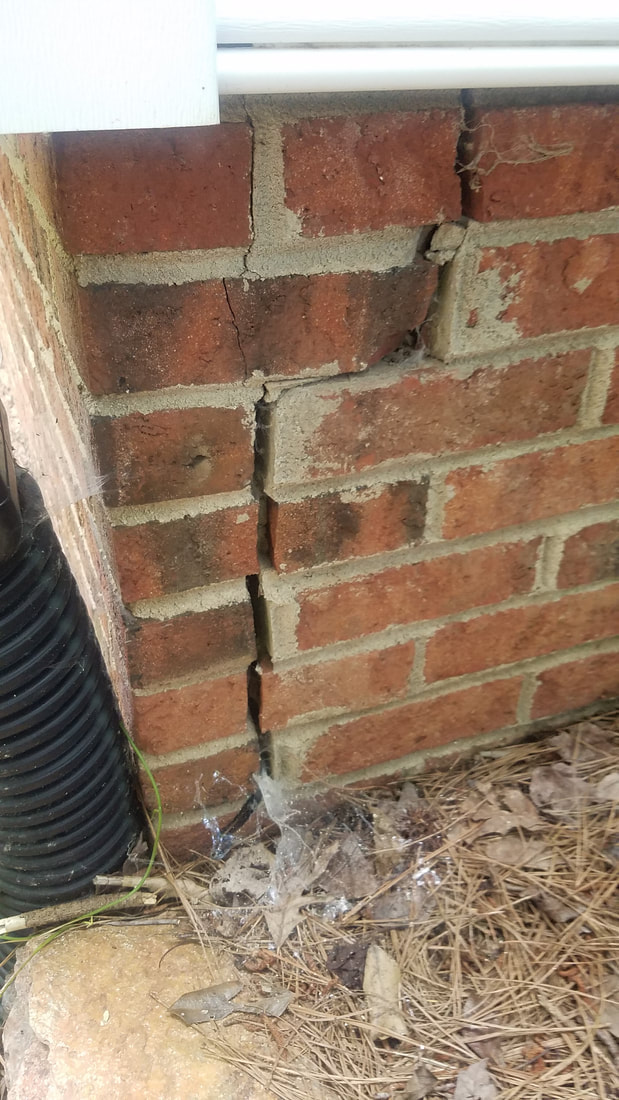
There are also settling cracks, step cracks, or horizontal cracks in walls which some are still moving (possible foundation issue) and some are relaxed and stay the same. These types of repairs are inspected carefully to determine the cause to further create a repair process.
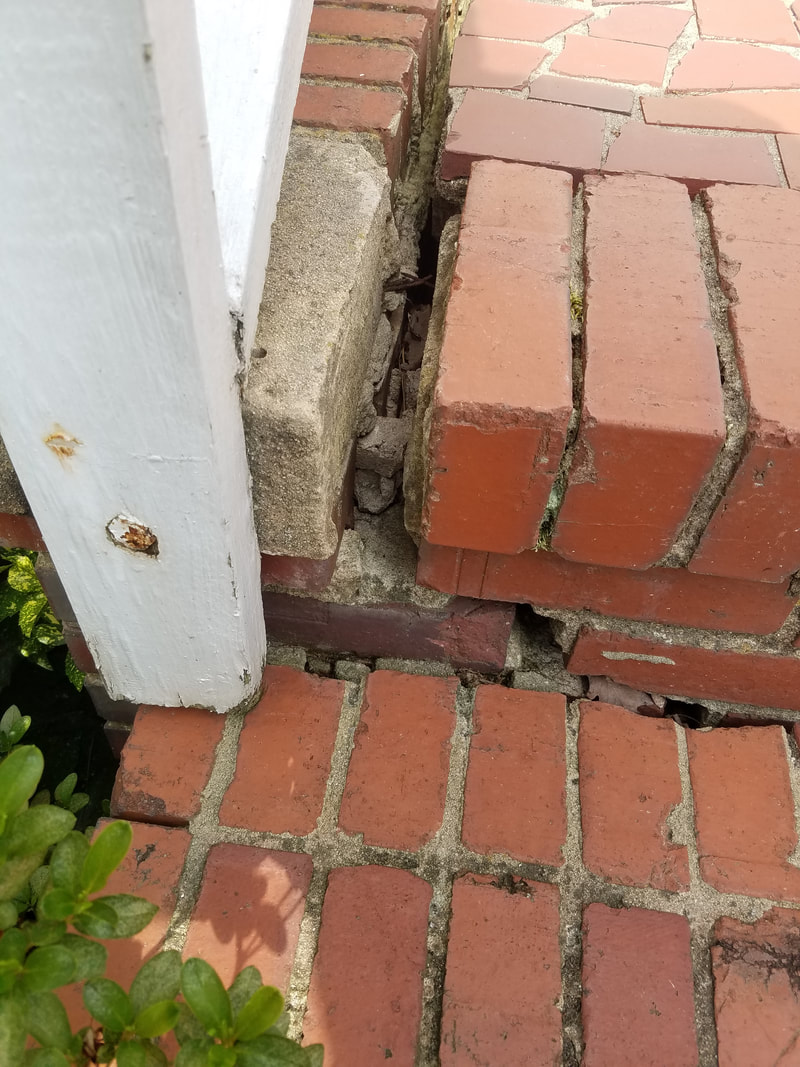
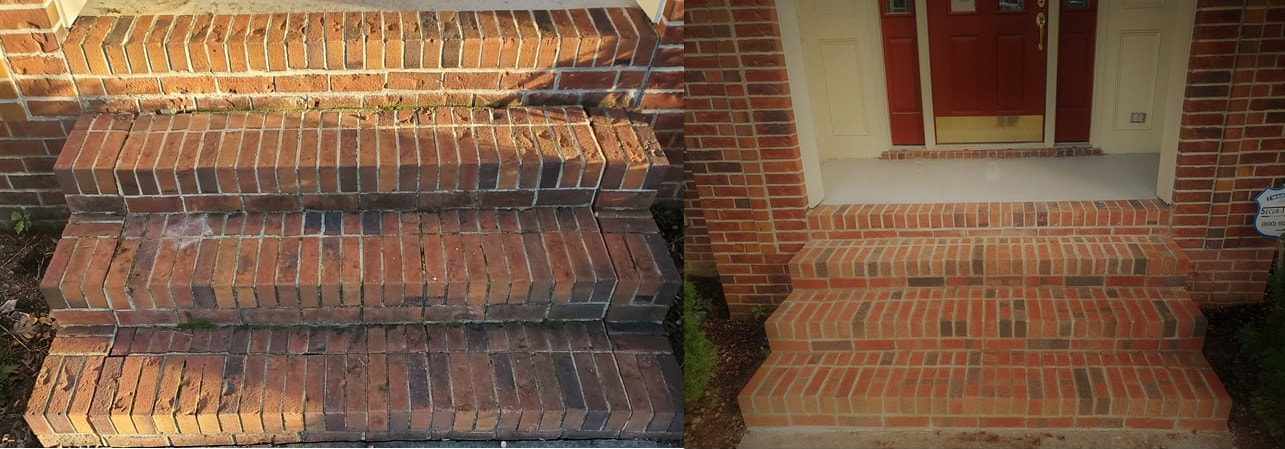
There are brick holes and cracks in brick steps and brick stair systems which are a sign of weathering, erosion, or poor masonry skills that built them. Sometimes there is very little mortar in between the joints and just enough for you to see a mortar tooling finish, but underneath could be a holly cavity. This cavity gets exposed when enough erosion, weather, and age loosens the small portion of mortar that seems to hold the brick in place.
Look Here for photos Repair Central
There are many types of brick damage that need repair. "Spalling" is the term for a brick that seems to be flaking or crumbling and the face of the brick falls off. The brick face deteriorates and flakes off over time. Careful inspection is needed to determine the brick type and shape for future repair or replacement.
There are also settling cracks, step cracks, or horizontal cracks in walls which some are still moving (possible foundation issue) and some are relaxed and stay the same. These types of repairs are inspected carefully to determine the cause to further create a repair process.
There are brick holes and cracks in brick steps and brick stair systems which are a sign of weathering, erosion, or poor masonry skills that built them. Sometimes there is very little mortar in between the joints and just enough for you to see a mortar tooling finish, but underneath could be a holly cavity. This cavity gets exposed when enough erosion, weather, and age loosens the small portion of mortar that seems to hold the brick in place.
Look Here for photos Repair Central

Excellent Benefits of Brick Repair and Repointing
Weather Protection
- The mortar between your bricks should be properly sealed, your home isn’t getting the protection it needs from the elements if you do not maintain the mortar joints and brick. The water from rains and weather will enter your building, which can lead to further deterioration, as well as mold and mildew growth. By investing in quality brick pointing, you can prevent all of the vulnerable areas, effectively helping to weatherproof your property.
- As the mortar between your bricks starts to deteriorate, it can affect the overall structural integrity of your brick, mortar, and home. By investing in professional brick repair and repointing from a professional company, you can prevent any growing cracks or decaying joints, increasing the strength and stability of your home in the process.
- Keeping up with brick repairs such as brick cracks, open mortar joints, cracked mortar joints and mold buildup on brick is very important to prevent further damage and erosion. By investing in a comprehensive brick repair and brick repointing plan, you can keep the brick and exterior of your property with all the excellent benefits of proper maintenance. You will also benefit from the need for constant ongoing maintenance.
- In addition to the effect deteriorating brick can have on the value of your property, it can also hurt your property’s curb appeal as well. With professional brick and repointing, you can keep your property’s brick integrity and keep it looking neat, clean and fresh, while keeping the curb appeal of your property high.
- Your North Carolina property is likely one of the most expensive investments you will make, and you will want to do everything to protect its value. By keeping your brick surfaces and mortar integrity looking their best, you can take a big step in preserving the overall value of your home investment. If your property’s brick surfaces are noticeably wearing or eroding, a professional repair and brick repointing service can be a big help in maintaining its value.
Brick Mortar Joint Repair
Brick Repointing
There is much confusion on the proper name of repairing mortar joints and is is a well known fact even most mason contractors get it wrong. I will break it down and define what the proper names are for brick mortar joint repair.
Brick Repointing
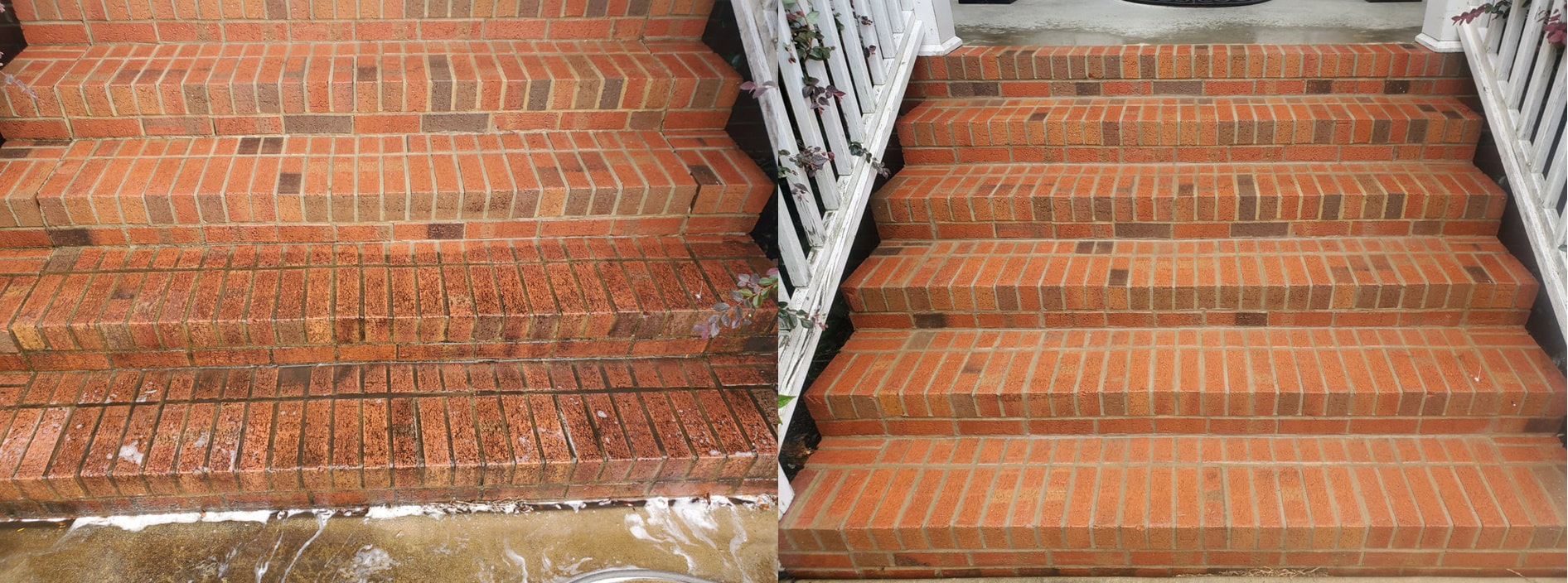
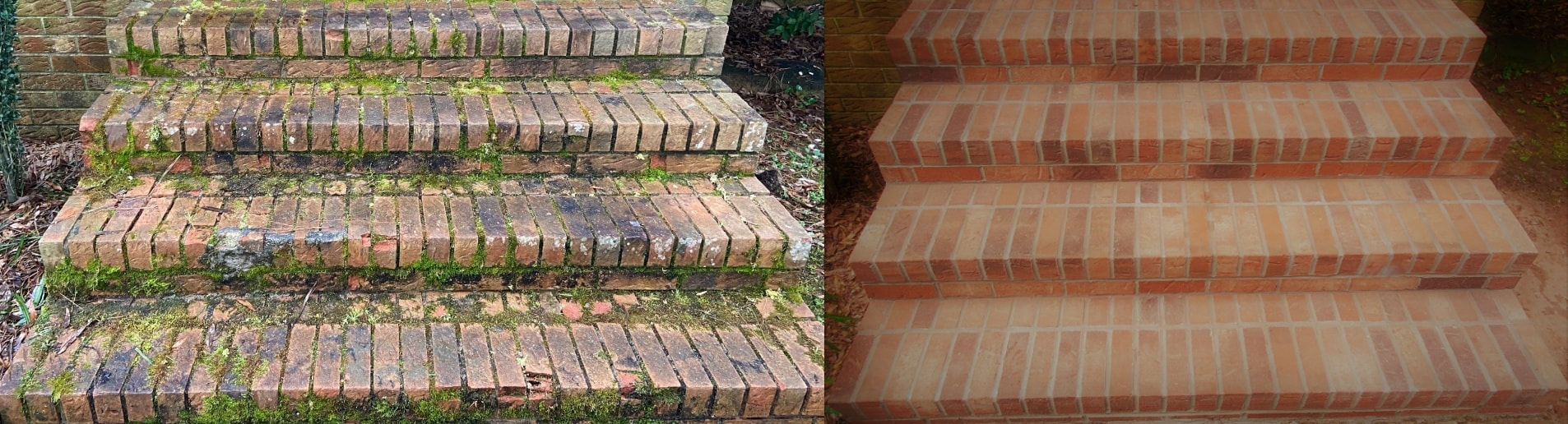
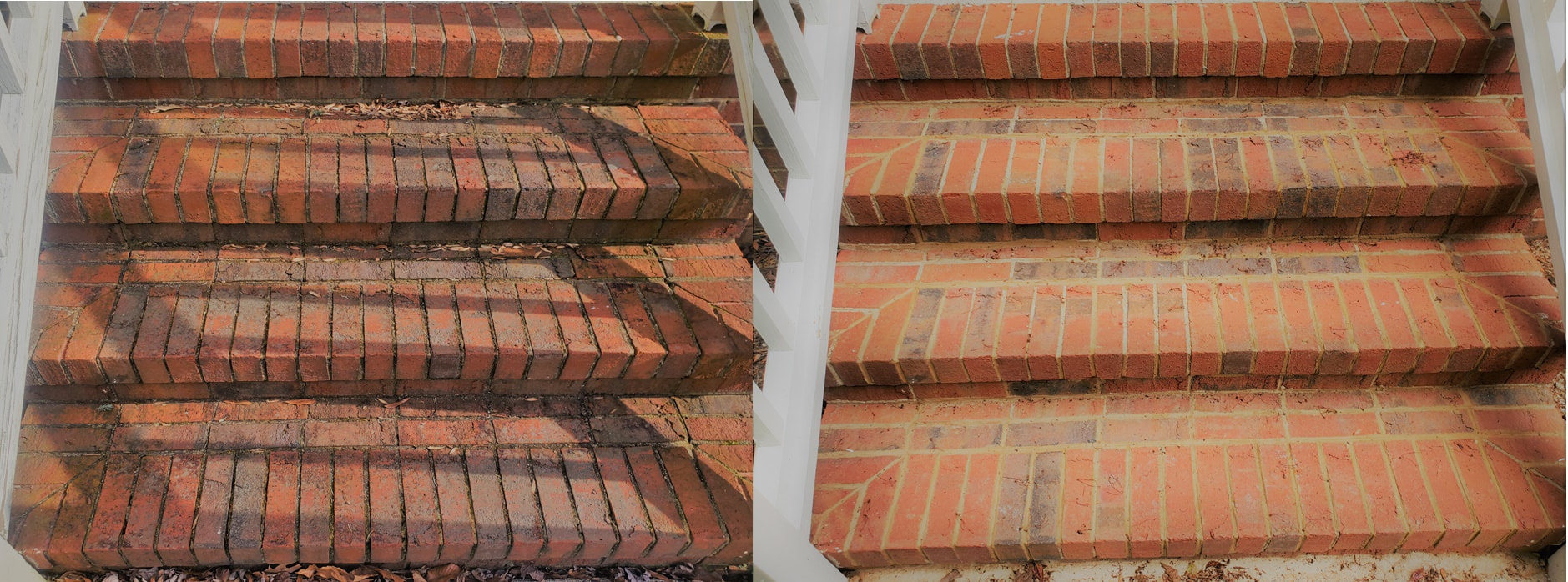
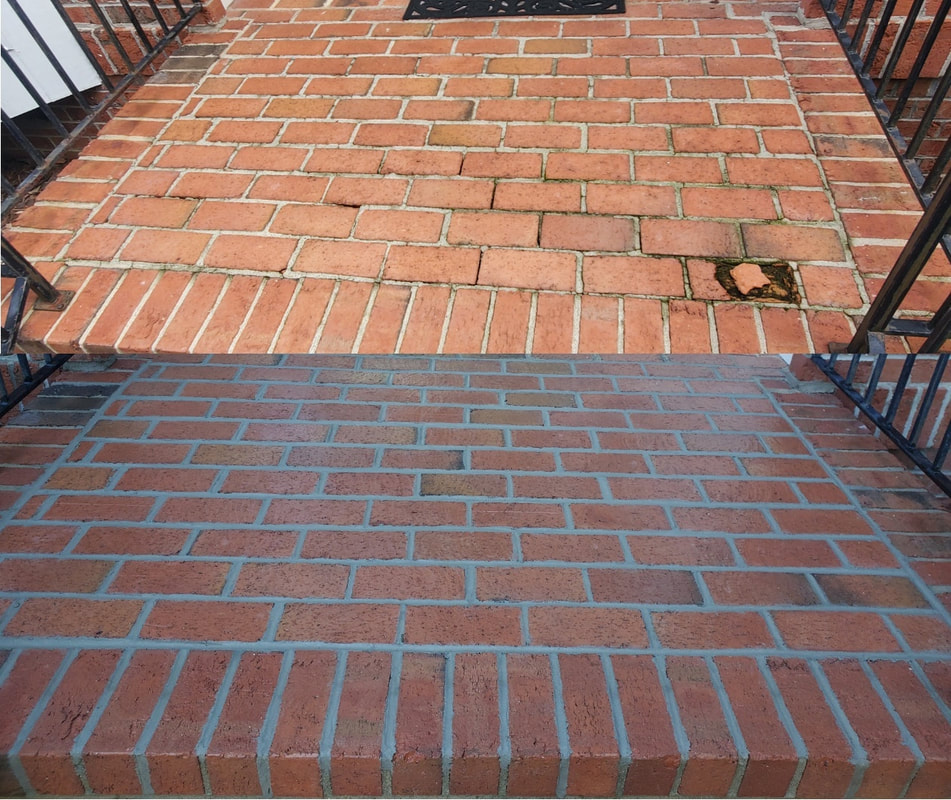
Repointing is the process of removing damaged mortar joints that have been already established and restoring them to their original state and mortar type and color. There are several techniques to repoint brick mortar joints and they are all NOT the same. Some will make your repair project worse and create huge future issues. There are several steps to creating a long-lasting repointing repair. There are mortar types and consistencies, the colors of the old mortar and how to make them close to matching, the brick type and type, and many other factors. I have written an article on mortar types in North Carolina and will personally discuss these with you here.
There is much confusion on the proper name of repairing mortar joints and is is a well known fact even most mason contractors get it wrong. I will break it down and define what the proper names are for brick mortar joint repair.
Brick Repointing
Repointing is the process of removing damaged mortar joints that have been already established and restoring them to their original state and mortar type and color. There are several techniques to repoint brick mortar joints and they are all NOT the same. Some will make your repair project worse and create huge future issues. There are several steps to creating a long-lasting repointing repair. There are mortar types and consistencies, the colors of the old mortar and how to make them close to matching, the brick type and type, and many other factors. I have written an article on mortar types in North Carolina and will personally discuss these with you here.
|
Brick Pointing
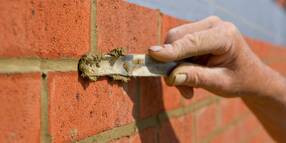
Brick pointing occurs when the brick is newly installed; the process involves filling mortar joints to finish them during new construction. This is the second most common name given to brick repointing and is the original pointing of the freshly laid brick mortar. |
|
|
Brick Tuckpointing
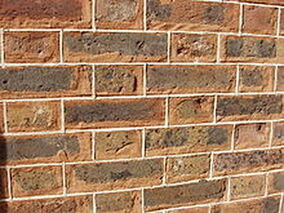
Tuckpointing is different than repointing or pointing and is a way of using two colors of mortar joints, with one colored mortar matching the bricks installed first and the adding another mortar color on top of the first color to create a contrasting joint. This gives it an artificial impression that very fine joints are made. |
|